
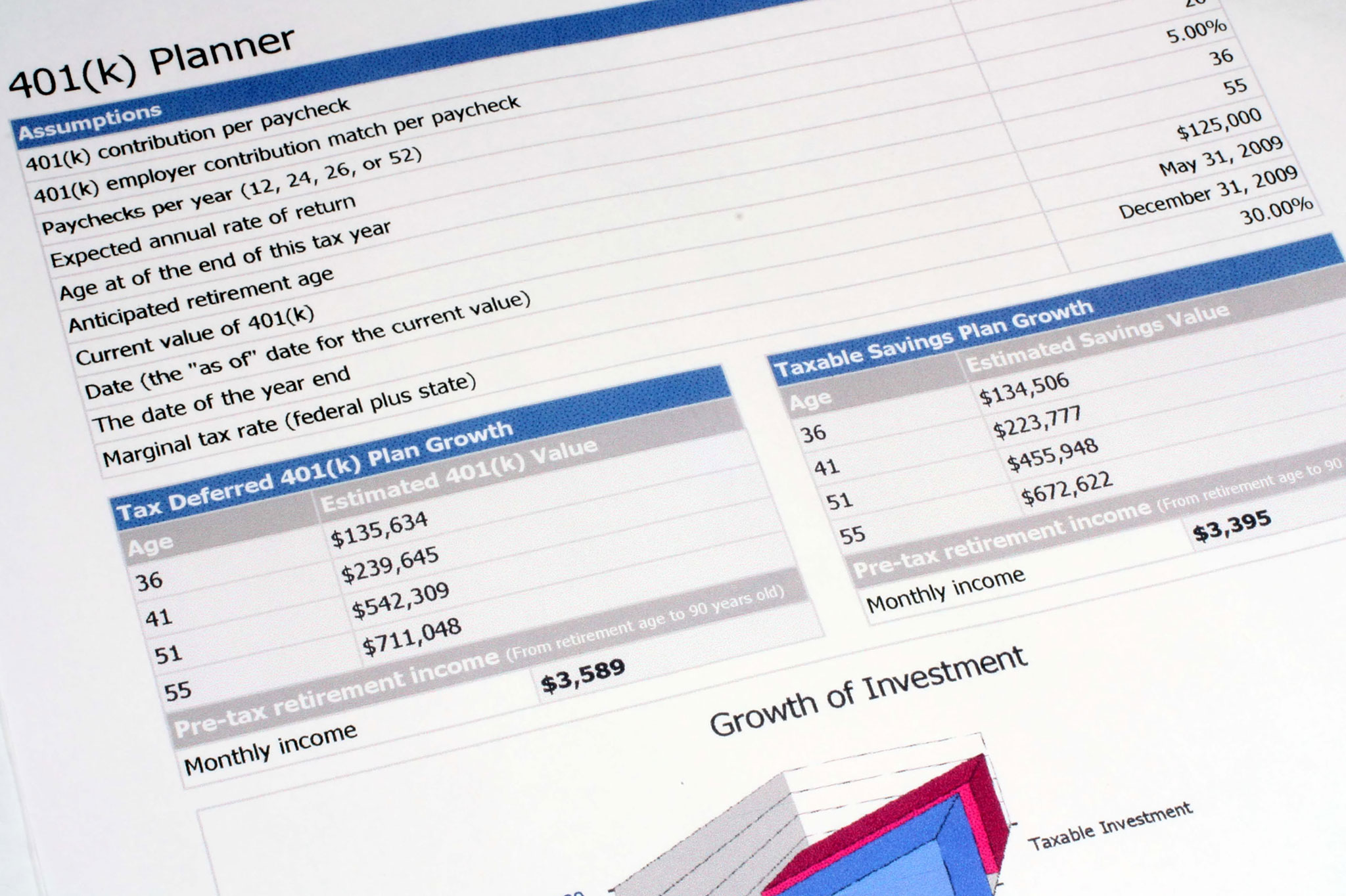
For many Americans nearing retirement, changing jobs over the years has resulted in multiple retirement accounts scattered across different providers. According to Harvard Business Review, workers today are more likely to have several employers throughout their careers, increasing the chances of leaving old 401(k) plans behind. If you’re trying to consolidate 401(k) accounts, you’re not alone. The good news is that simplifying your retirement savings does not have to be complicated.
With the right approach, you can reduce stress, stay organised, and make retirement planning easier.
Why Do So Many Seniors Have Multiple Old 401(k) Accounts?
If you’ve worked for several employers over the years, there’s a good chance you’ve accumulated multiple retirement accounts. Each employer-sponsored plan may have different rules, investment options, and fees.
You may find yourself:
- Logging into several websites.
- Receiving multiple account statements.
- Paying fees you don’t realize exist.
- Losing track of retirement savings altogether.
While this situation is common, it can create unnecessary stress as retirement approaches.
Should You Consolidate 401(k) Accounts?
The answer depends on your situation, but many people benefit from simplifying their retirement savings.
Potential benefits include:
- Easier account management.
- Fewer passwords and statements.
- Better oversight of your investments.
- Potentially lower fees.
- Simplified required minimum distribution (RMD) planning.
- A clearer picture of your retirement income.
However, consolidating retirement accounts is not always the right move for everyone. It’s important to understand your options before making a decision.
What Are Your Options for Consolidating Old 401(k) Accounts?
Can You Roll Them Into Your Current Employer’s Plan?
If you’re still working and your employer allows it, you may be able to move old 401(k) balances into your current plan.
Pros:
- Keeps retirement savings in one place.
- Maintains employer plan protections.
- Makes account monitoring easier.
Cons:
- Limited investment choices.
- Potentially higher plan fees.
Should You Roll Them Into an IRA?
Many retirees and pre-retirees choose to roll over old 401(k) accounts into an Individual Retirement Account (IRA).
Pros:
- Broader investment options.
- Greater flexibility.
- Easier retirement account management.
Cons:
- Different creditor protections depending on your state.
- You must choose and monitor investments yourself.
Is Leaving Them Where They Are Ever a Good Idea?
Sometimes, yes. Keeping an old account may make sense if:
- The investment options are excellent.
- Fees are low.
- You have access to unique benefits.
- You are satisfied with how the account is managed.
Every situation is different.
How Do You Consolidate 401(k) Accounts Without the Stress?
Breaking the process into smaller steps can make it more manageable.
Step 1: Locate All Your Old Accounts
Gather information about previous employers and retirement providers.
Check:
- Old statements.
- Tax documents.
- Human resources departments.
- Online retirement account databases.
Step 2: Gather Account Details
Review each account’s:
- Current balance.
- Investment options.
- Administrative fees.
- Beneficiary information.
Having everything in one place can help you compare your choices.
Step 3: Compare Fees and Investments
Not all retirement plans are created equal.
Ask yourself:
- Are the fees reasonable?
- Are the investment choices suitable?
- Does one option better support your retirement goals?
Small fee differences can add up over time.
Step 4: Choose Your Consolidation Strategy
Determine whether you’ll:
- Move funds into a current employer plan.
- Complete an IRA rollover.
- Leave certain accounts where they are.
Choose the option that aligns with your overall retirement income strategy.
Step 5: Request a Direct Rollover
Whenever possible, use a direct rollover. A direct rollover moves funds directly between institutions without the money passing through your hands. This approach may help you avoid unnecessary taxes and penalties.
Step 6: Confirm the Transfer Was Completed
Once the rollover is complete:
- Verify balances arrived correctly.
- Review new account statements.
- Keep copies of all paperwork.
Organization today can prevent headaches later.
Step 7: Update Your Retirement Income Plan
Consolidating accounts is only one part of retirement planning.
Review how your savings, investments, and future income sources work together.
What Mistakes Should You Avoid?
Even simple mistakes can become costly.
Avoid these common errors:
- Cashing out old 401(k) accounts unnecessarily.
- Missing important rollover deadlines.
- Ignoring investment fees.
- Forgetting to update beneficiaries.
- Overlooking tax implications.
- Failing to coordinate withdrawals with your retirement income needs.
If you’re unsure about the process, professional guidance may help you move forward with confidence.
What Challenges Are Retirees Facing Today?
Many seniors assume Social Security will cover most retirement expenses. Unfortunately, retirement is often more complicated.
Some common challenges include:
- Rising healthcare costs.
- Longer life expectancies.
- Market volatility.
- Inflation reducing purchasing power.
- Uncertainty about future Social Security funding.
- Increasing tax concerns.
For many Americans, Social Security represents the largest portion of retirement income. However, it was never designed to be the only source of support. Understanding how much you may receive, when to claim benefits, and how those benefits fit into your broader financial picture is essential.
How Does Consolidation Fit Into Retirement Income Planning?
Combining retirement accounts can provide clarity.
It may help you:
- Understand how much you’ve actually saved.
- Coordinate retirement withdrawals.
- Identify tax-efficient strategies.
- Estimate income needs more accurately.
- Integrate Social Security into your overall plan.
You cannot rely solely on Social Security. Properly managing retirement income may help reduce the amount of money you give back to Uncle Sam in taxes while supporting your long-term goals. Retirement planning is not just about building wealth. It’s about turning savings into sustainable income.
When Should You Speak With a Licensed Professional?
You may benefit from additional guidance if you:
- Have several retirement accounts.
- Are within ten years of retirement.
- Feel overwhelmed by rollover rules.
- Want to understand Social Security claiming strategies.
- Need help developing a retirement income plan.
- Are concerned about taxes in retirement.
Retirement Income Planner is dedicated to educating seniors and helping them better understand Social Security and other retirement considerations by connecting them with licensed representatives in their area.
Simplify Today for a More Confident Tomorrow
Trying to consolidate 401(k) accounts may seem overwhelming at first, but it doesn’t have to be. Taking small, organized steps can simplify your retirement savings and give you a clearer view of your future. Remember, Social Security is often one piece of the retirement puzzle.
Understanding your benefits, managing your savings wisely, and developing a thoughtful income strategy can help you make more confident decisions. If you’re ready to consolidate 401(k) accounts and strengthen your retirement plan, education and expert guidance can help you move forward with greater peace of mind.
Talk to us today and we will connect you with a licensed representative in your area!
FAQs
Can I consolidate 401(k) accounts from different employers?
Yes. You can often combine old 401(k) accounts into your current employer’s plan or roll them into an IRA. The right option depends on your goals, fees, and investment preferences.
Will I owe taxes if I consolidate 401(k) accounts?
A direct rollover generally does not trigger immediate taxes. However, cashing out the funds instead of rolling them over could result in taxes and possible penalties.
Is it better to roll over a 401(k) into an IRA or a new employer’s plan?
It depends on your situation. IRAs may offer more investment choices, while employer plans can provide convenience and certain legal protections.
How long does it take to consolidate old 401(k) accounts?
Most rollovers take anywhere from a few days to several weeks. The timeline depends on the financial institutions involved and how quickly paperwork is completed.
Can I consolidate 401(k) accounts after I retire?
Yes. Many retirees choose to simplify their finances by consolidating retirement accounts after leaving the workforce. Be sure to consider any required minimum distribution rules that may apply.
What happens if I cash out an old 401(k)?
You may owe income taxes on the distribution and, if you’re under age 59½, potentially face an early withdrawal penalty. Cashing out can also reduce your future retirement savings.
Do I need a financial professional to consolidate my accounts?
Not necessarily. However, professional guidance can be valuable if you have multiple accounts, tax concerns, or questions about your retirement income strategy.
Can consolidating retirement accounts help reduce fees?
It can. Combining accounts may eliminate duplicate administrative fees and make it easier to identify lower-cost investment options.
How does Social Security fit into my retirement income plan?
For many seniors, Social Security provides a significant portion of retirement income. However, it should work alongside your savings, investments, and other income sources rather than serve as your only plan.
Can retirement income planning help lower taxes in retirement?
Yes. A thoughtful withdrawal strategy may help you manage taxable income more efficiently. Coordinating your retirement accounts and Social Security benefits can support better tax planning.